Redefining NDIS Care

One integrated team of Allied Health and Support Workers


Staying Independent is a clinician-led NDIS provider delivering integrated therapy and support services that actually work in real life. We do not separate planning from action, or therapy from daily support. We bring them together under one coordinated model of care.

Our approach is built for participants with complex needs, designed for collaboration, and focused on outcomes that matter to participants and their families.


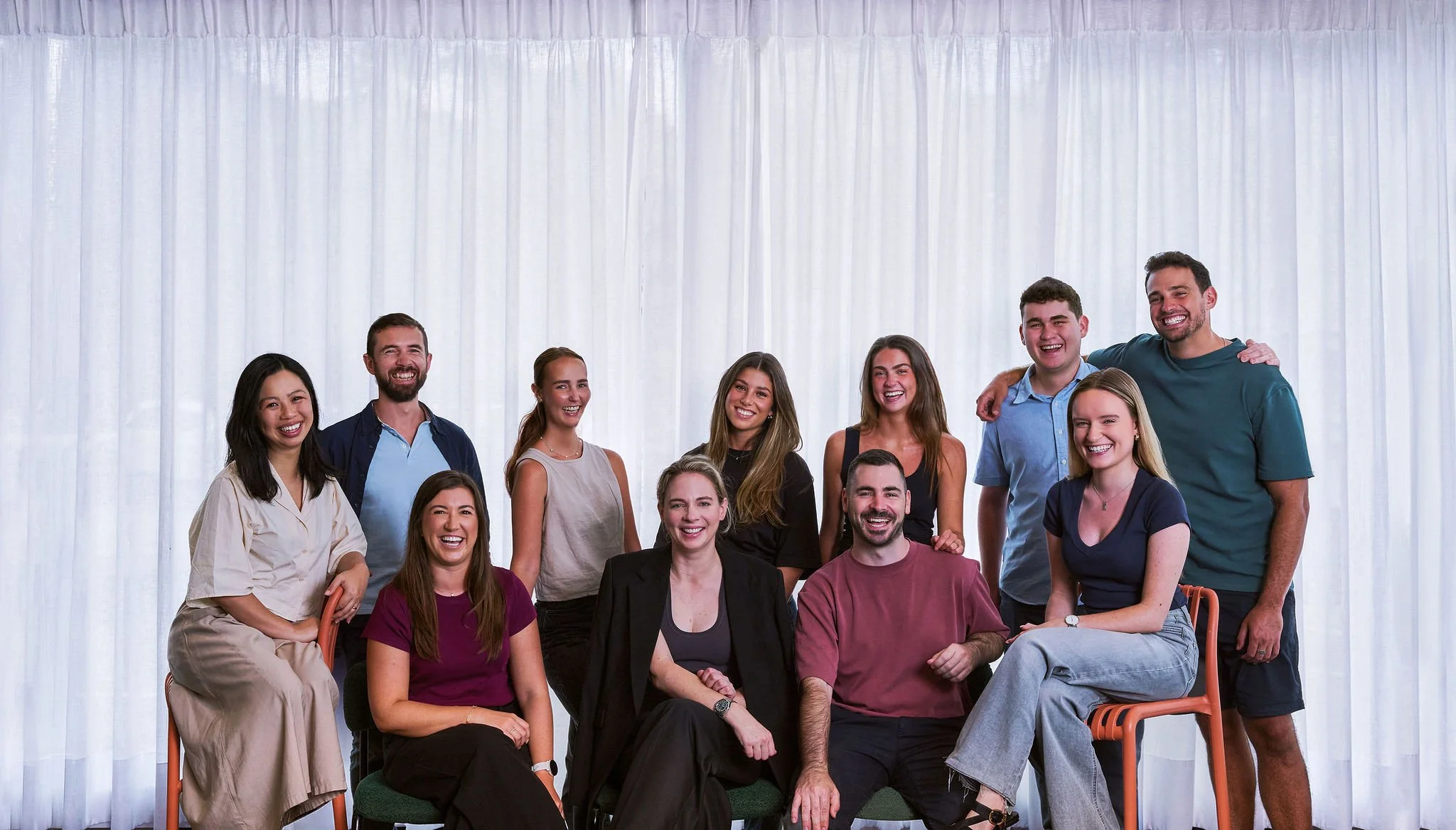
Group of six women posing together indoors with large windows and cityscape in the background.

The Integrated

Outcomes Model™

Across the NDIS, therapeutic plans are often written but rarely embedded into daily life.

Support workers are left without the tools, context, or confidence to implement them. Outcomes suffer.

We eliminated that disconnect. This is not handover. It is integration. Our model brings therapists and support workers into one coordinated team.

Every action aligns with the participant’s goals. Progress is visible. Outcomes are measurable. This model is the foundation of everything we do.

Click to see our model explained in detail

Support workers are trained by our clinical staff, guided by clear strategies, and supported before, during, and
after every shift.

Clinically led.
Professionally governed.

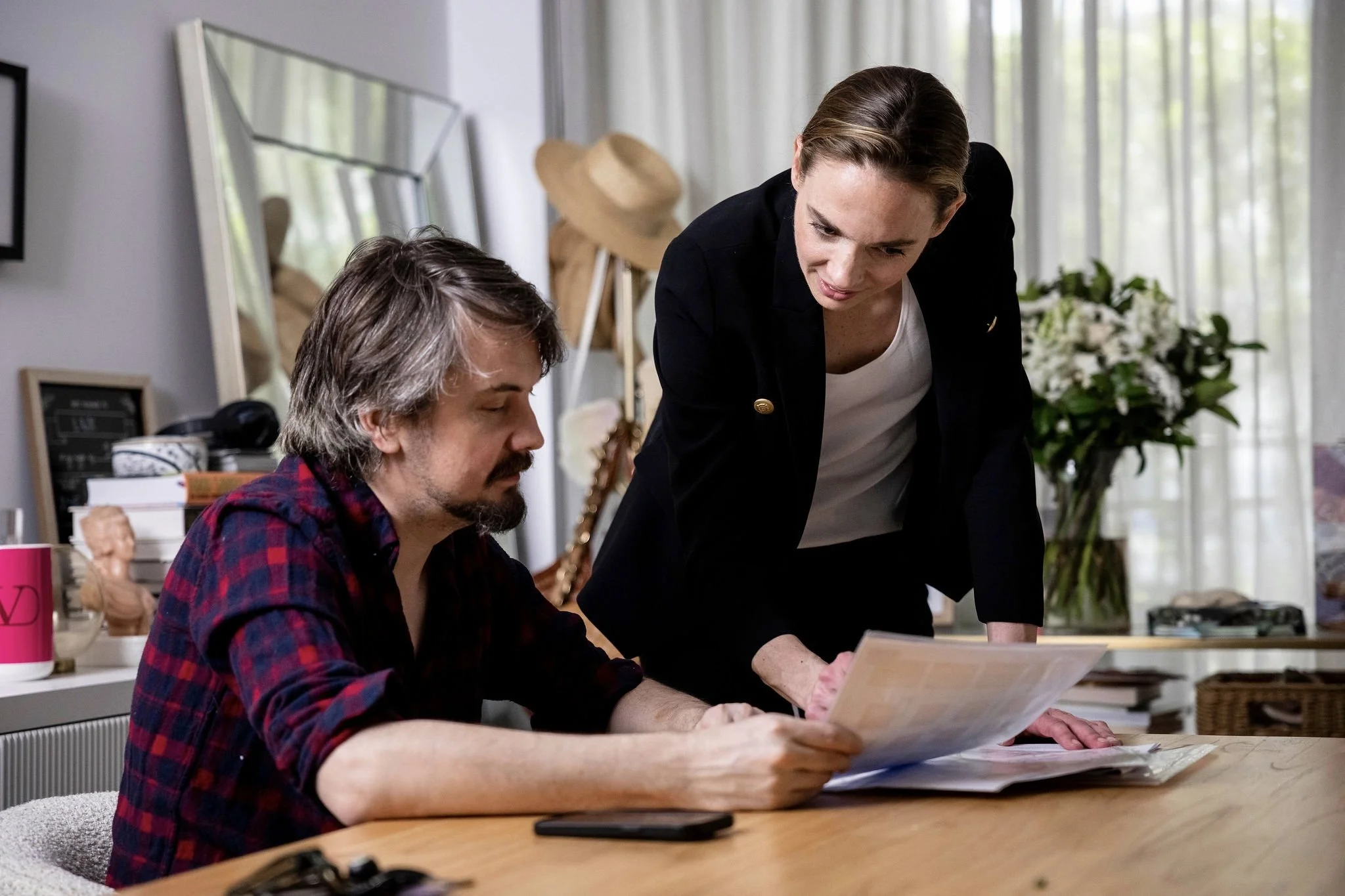
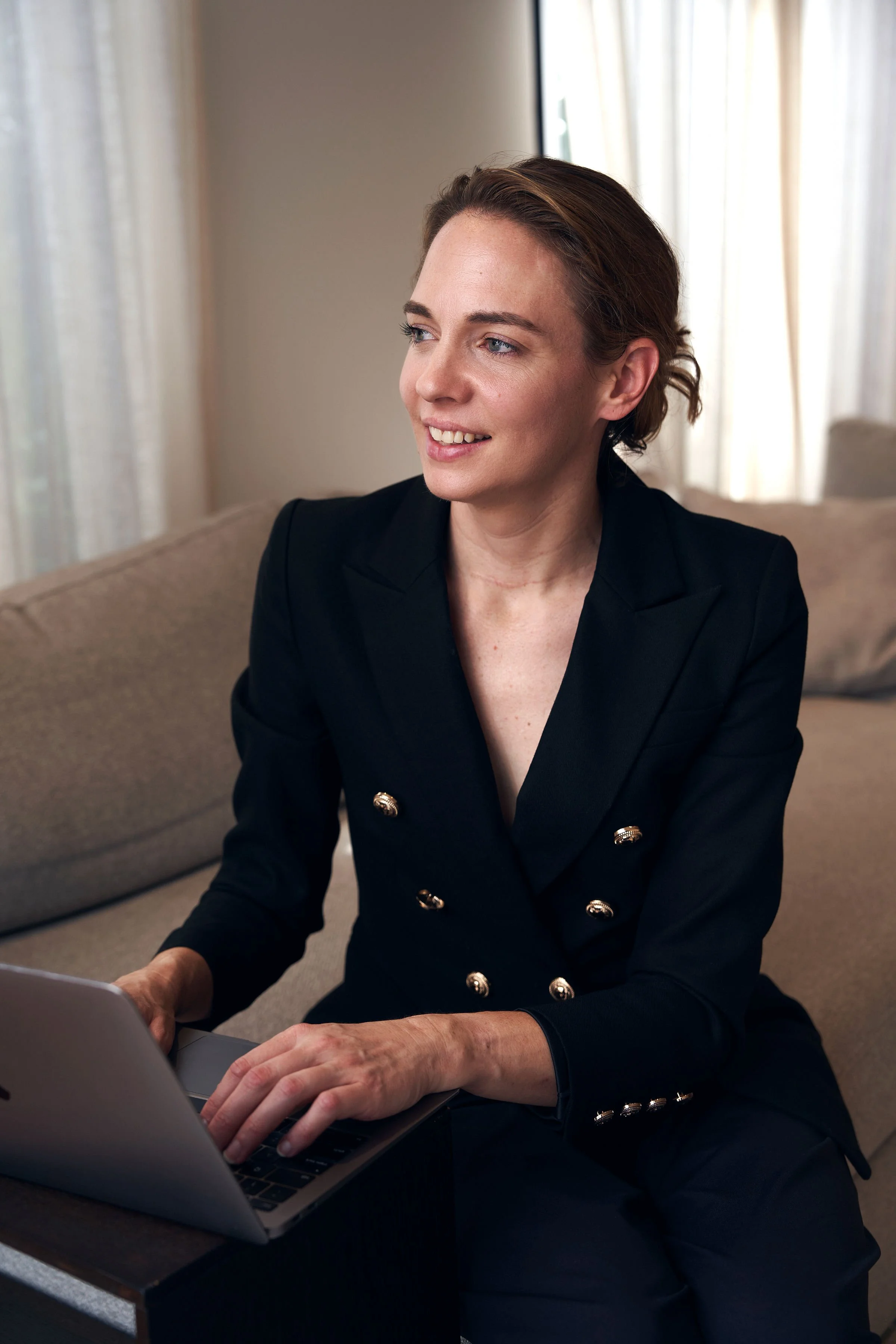
Staying Independent is owned and run by Kezia Kingston an Occupational Therapist herself. She started the company knowing exactly what she wanted to build having worked in frontline healthcare for many years.

Clinical governance is embedded into how we design services, train staff, and make decisions.

“We build our team that makes sense clinically, and we hire intentionally to ensure our skill set is balanced for our clients we care for.”

Our Story.

Staying Independent began from a simple question:
Can we deliver smarter, more efficient care - without compromising what participants truly need?

The short answer is yes. We recognised one of the major issue in the scheme wasn’t more funding, it was poor integration and communication between providers causing wasted funding and slowed progression.

Read Our Full Story

Our Clients

We are good at some things,
not everything.

We accept referrals where we have the right clinical expertise and experienced staff to deliver meaningful outcomes.

Our core client groups:

Adolescents and young adults with disability
Neurodivergent individuals
Intellectual disability
Psychosocial disability and mental health

New Client Referral Form

Our Services.

Occupational Therapy / Dietetics / Speech Therapy

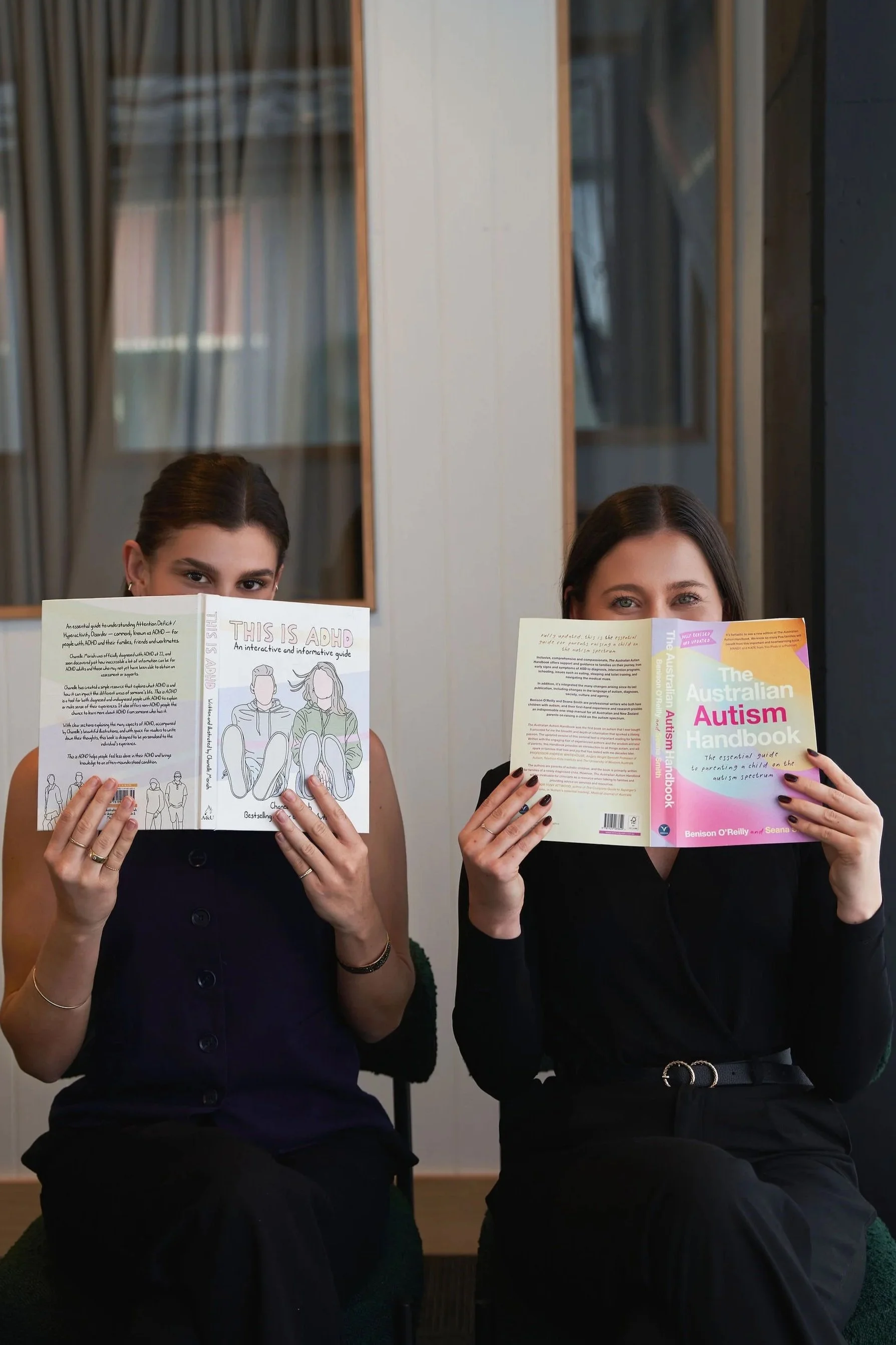
Two women sitting and reading books about autism, one holding a guide titled 'This is ADHD' and the other a handbook titled 'The Australian Autism Handbook.'

Support Workers employed for each client

In-home / 1:1 / Group
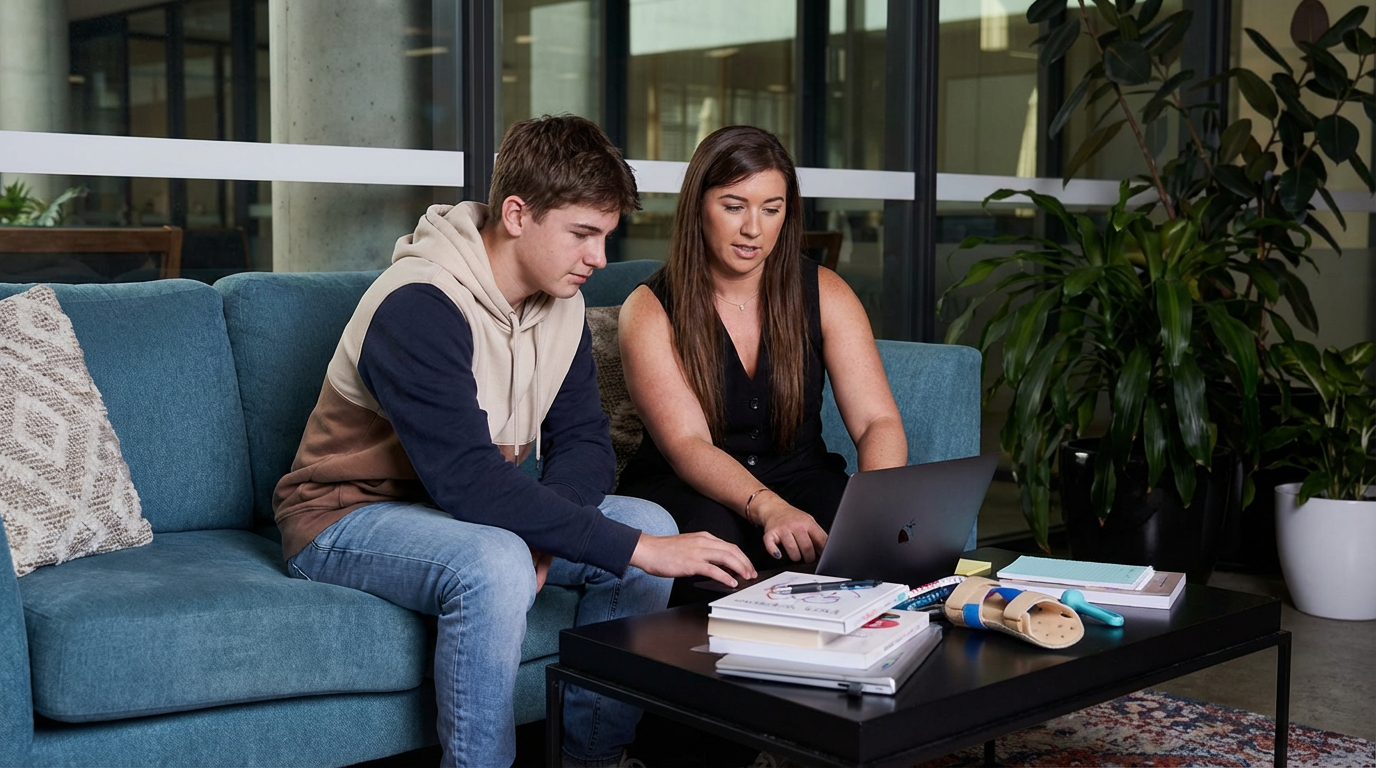
The world’s first AI platform built for people with a cognitive disability.
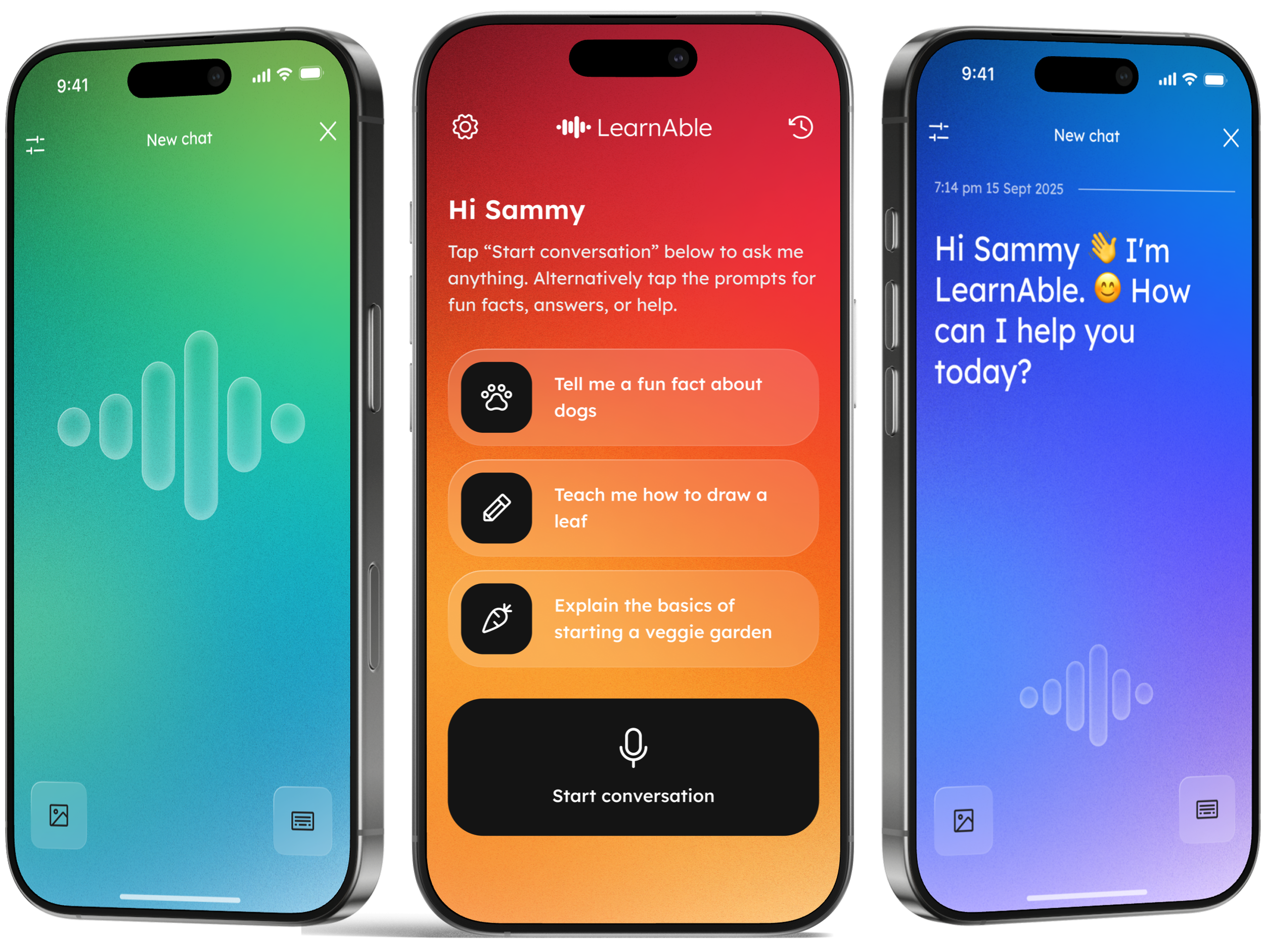
LearnAble supports cognitive mobility in everyday life through:

  • Cognitive-accessible support for understanding

  • Assistance with planning and organisation

  • Supports that reduce cognitive load and overwhelm

  • Memory and recall support for daily life and routines

  • Assistance with communication and understanding

  • Personalised support that aligns with individual goals

  • Connected use across participants, families, and supports

  • Neuro-affirming design informed by clinical practice

Each feature is designed to support independence, confidence, and participation without replacing human support.

Technology isn’t built for everyone.
And that’s a problem.

LearnAble was created because many people we support struggle to use everyday technology - not because they can’t learn, but because the technology wasn’t designed for how their brain works.

Our Founder, Kezia Kingston, saw this every day as an occupational therapist. People had phones, tablets and computers, but still couldn’t use them confidently or independently. Instructions were too complex. Systems changed too often. One mistake could mean getting stuck.

So we built LearnAble.

Most technology and AI is designed for people who process information quickly, remember lots of steps, and feel confident navigating digital systems. Many people don’t including people with cognitive disability, brain injury, mental health conditions, neurodivergence, or low literacy. LearnAble works differently.

It’s inclusion by design.

Let’s Connect

Whether you're a participant, provider, or professional ready to chat, we’d love to hear from you.